Commercial roofing decisions need to account for the roof and the building’s daily use. Drainage, openings, equipment, tenant access, and operating arrangements can all influence the appropriate scope.
Torrance Roofing Pros offers commercial roofing services for property owners and managers in Torrance and the listed nearby communities.
Commercial buildings may have pitched roofs, low-slope roofs, or a combination. Start with the actual assembly and reported concern rather than assuming one approach suits every property.
A commercial roof problem can affect occupied rooms, stored goods, equipment, or access routes. Understanding those consequences helps establish the questions requiring attention.
Reasons to discuss evaluation include:
Water entering tenant or business areas.
Recurring stains beneath roof openings.
Visible deterioration around seams or edges.
Drainage concerns on low-slope sections.
Damage near rooftop equipment.
Repeated repairs with unresolved symptoms.
Roofing changes following equipment work.
Planning for broader renewal of an existing assembly.
Explain both the roofing symptom and the affected building activity. This helps clarify coordination needs without assuming the cause or urgency before assessment.
02
Establishing the Existing Assembly
Records can help identify the roof system, previous work, and relevant product information. Available plans, repair history, and equipment records may reduce uncertainty during the initial discussion.
If records are incomplete, the covering and accessible components still need evaluation. Some underlying conditions may remain concealed.
A building with several roof sections may contain different materials, ages, and drainage arrangements. The scope should identify those differences rather than treating the property as one uniform surface.
A commercial roof inspection can help establish visible concerns and the need for further investigation.
03
Areas That May Need Attention
Drainage
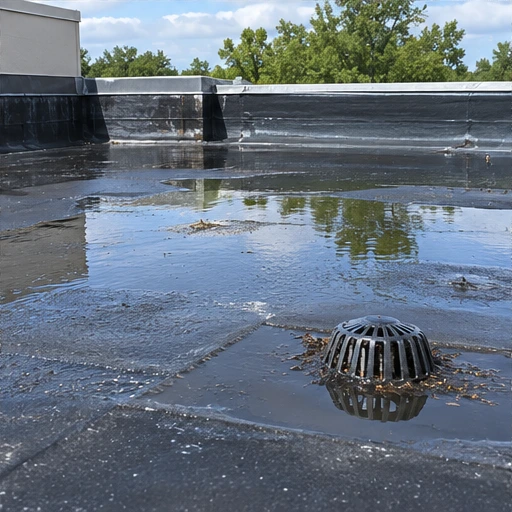
Water needs a workable route to the intended outlets. Roof geometry, drains, scuppers where present, gutters, and obstructions can influence water retention.
An outlet concern may also involve downstream plumbing or another building component. Clarify responsibilities where roofing and other systems meet.
Seams and Roof Surfaces
The condition of seams and covering matters on systems that use joined sheets or layered materials. Evaluation should account for the actual system rather than applying a generic repair method.
Surface wear does not establish the full underlying condition.
Penetrations and Equipment Connections
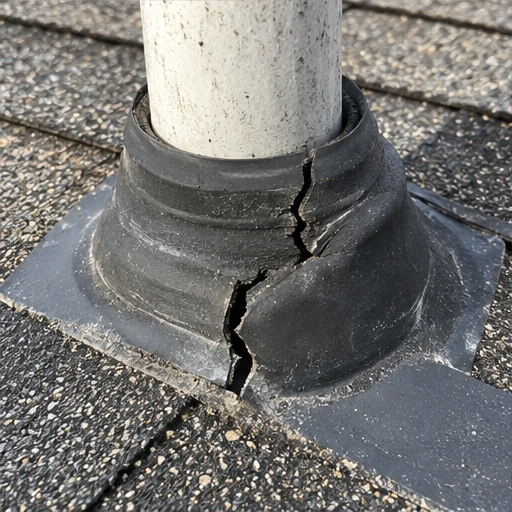
Vents, equipment supports, and service openings interrupt the roof. A leak near equipment may involve its roofing connection rather than the unit itself.
Identify any recent equipment work and which contractors have accessed the area.
Edges and Transitions
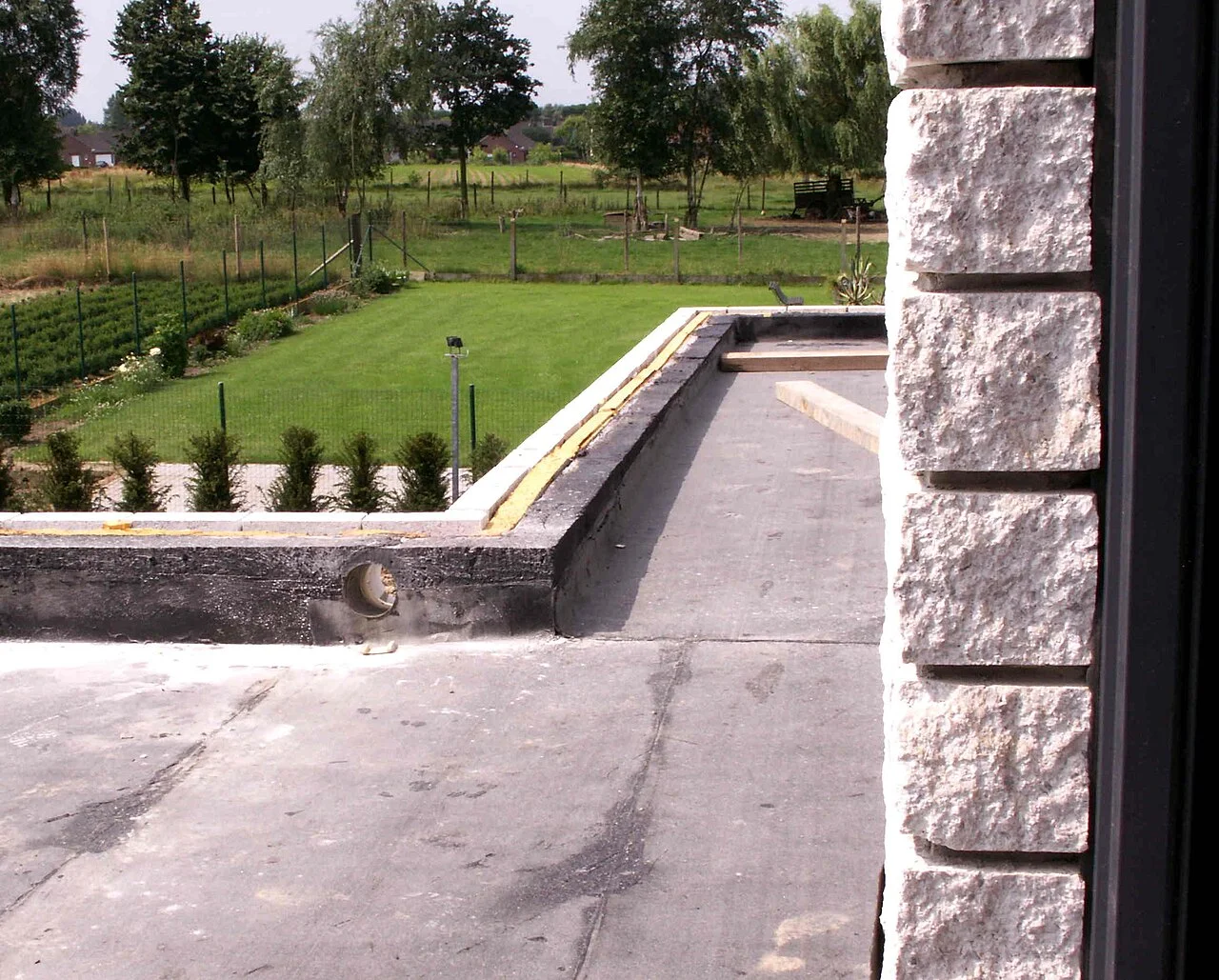
Perimeters, walls, adjoining roof heights, and transitions between systems need suitable connections. These details may influence the repair scope even when the visible concern appears in an open roof area.
Some commercial buildings use shingles, tile, or other pitched assemblies. Their evaluation should reflect the covering, slope, support, and connections involved.
Do not assume residential-looking roofing eliminates commercial coordination needs. Occupancy and access still matter.
Low-Slope Roofing
Low-slope roofs may use membrane or asphalt-based assemblies. Selection and repair depend on existing construction, moisture condition, attachment, drainage, and product requirements.
Discuss the systems available for the specific project. The presence of a low-slope roof does not confirm that every material or application method is suitable.
Coatings and Retained Materials
A coating should not automatically be treated as a substitute for repair or replacement. The underlying system, preparation requirements, moisture concerns, and compatibility need evaluation.
Ask what the proposed approach addresses and what conditions would remain.
05
Repair or Replacement Planning
Commercial roof repair may be considered for a defined defect when surrounding materials can remain in service.
Broader deterioration, repeated concerns, or an unsuitable existing assembly may lead to roof replacement evaluation.
A sectional approach may be possible on some properties, but interfaces with retained areas matter. Discuss whether the boundaries provide workable connections and what future maintenance implications remain.
The recommendation should connect observed conditions with the proposed work. Building age or roof size alone does not establish the appropriate approach.
06
Concealed Conditions and Investigation Limits
Wet insulation, deck deterioration, or defects beneath intact materials may not be established through a surface review.
Ask what can be observed, what remains uncertain, and whether additional investigation is proposed. Any testing or opening of the assembly should have an agreed purpose and authorization.
Do not assume a visual inspection includes moisture surveys, specialist testing, structural certification, or a written report unless those items are confirmed.
A proposal should identify assumptions about retained materials and how findings during work could change the scope.
07
Coordinating With Occupants and Other Trades
Commercial roofing requires clear responsibility for access and approvals. Identify the owner, manager, or representative who can authorize work and scope changes.
Discuss:
Tenant and staff access.
Deliveries and loading areas.
Working-hour restrictions.
Rooftop equipment servicing.
Material storage and debris handling.
Communication with affected occupants.
Contractors whose work intersects the roof.
A proposed sequence should reflect the building’s use. Do not assume roofing work includes electrical, mechanical, plumbing, or interior restoration services.
Changes by another trade should be communicated before they affect completed roofing details.
The Los Angeles region generally has dry summers and wetter winters. Drainage and unresolved roof concerns deserve review before rainfall makes them more apparent.
Sun exposure can inform product selection and maintenance planning. Compare documented ratings where energy performance matters rather than relying on a surface’s appearance.
Site-specific coastal exposure may influence the suitability of metal components and fasteners.
Confirm permit requirements with City of Torrance Building and Safety. California’s 2025 Energy Code applies to permit applications filed on or after January 1, 2026; applicable roofing requirements depend on the building, assembly, scope, and compliance provisions.
09
A Practical Commercial Roofing Process
Describe the property and concern. Include building use, symptoms, and relevant records.
Arrange access. Identify authorization, restrictions, and equipment areas.
Review condition. Distinguish visible findings from concealed uncertainties.
Compare options. Discuss repair, further investigation, or replacement where justified.
Agree on scope and coordination. Define responsibilities, exclusions, and approval procedures.
Review completed work. Clarify maintenance information and remaining concerns.
Ask how communication will work if roof findings affect ongoing operations or require another trade.
Equipment connections, drainage alterations, sectional interfaces, and occupied-building restrictions may add coordination or detail work. Phasing can also influence arrangements and scope.
Compare proposals for equivalent materials and included work. A lower total may reflect retained components, exclusions, or different assumptions about concealed conditions.
Useful questions include:
Which roof areas and systems are included?
What access arrangements are assumed?
Who coordinates equipment work?
How are concealed findings approved?
What maintenance responsibilities remain?
Which inspections or permits apply?
11
Serving Torrance and Nearby Communities
Discuss commercial roofing for properties in Old Torrance, North Torrance West, Delthome, Pacific South Bay, and other listed areas.
Nearby West Carson and Alondra Park are also included. Provide the building location and use when calling. Visit our Torrance roofing services for the broader service overview.
Do All Commercial Buildings Have Low-Slope Roofs?+
No. Commercial buildings can have pitched roofs, low-slope roofs, or several assemblies. Evaluation and material selection should reflect the actual construction. Building use alone does not establish the appropriate roofing system.
Could a Drainage Problem Require Another Trade?+
Yes. A roof outlet may connect to downstream components outside the roofing scope. Ask where the concern is located and who is responsible for related plumbing or building work. Roofing repairs should not be assumed to resolve every drainage restriction.
Can Different Sections Receive Different Roofing Approaches?+
Possibly. Sections may differ in condition, system, or age. The connections between repaired, replaced, and retained areas need evaluation. A sectional plan should explain its boundaries and any limitations rather than leaving interfaces undefined.
Is a Coating Appropriate for Any Aging Roof?+
No. Suitability depends on the existing assembly, condition, moisture, preparation, and product requirements. A coating does not automatically correct damaged seams, unsuitable materials, or drainage concerns. Ask what evidence supports the proposed approach.
Who Should Coordinate Rooftop Equipment Work?+
Identify an authorized coordinator before the project begins. Mechanical, electrical, or other equipment tasks may require separate contractors. The roofing agreement should clarify responsibilities for access, removal, reconnection, and the associated roof details.
Does an Evaluation Automatically Include a Written Report?+
Do not assume it does. Discuss the evaluation scope and the form in which findings will be communicated. Written reports, specialist testing, and other deliverables should be confirmed if they are important to your property-management requirements.
A clear next step starts here
Discuss Your Commercial Roof
Explain the roof concern, building operations, and access requirements. Review findings and a clearly defined scope before agreeing to the work.