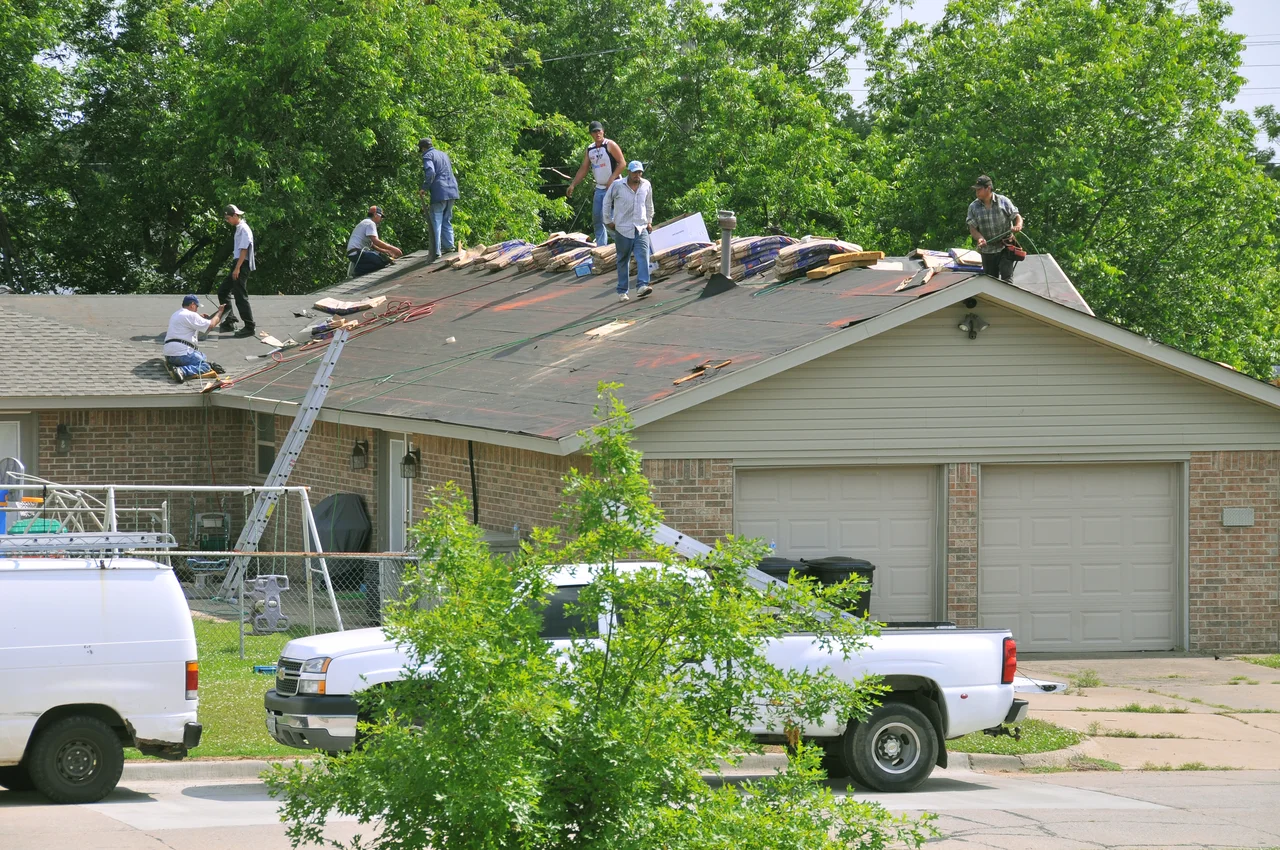
Changes noticed after severe weather deserve evaluation, but they do not automatically establish that the whole roof needs replacement. The visible damage, surrounding condition, and timing of the concern help define what requires attention.
Torrance Roofing Pros offers storm damage roof repair for homeowners, commercial property owners, and property managers in Torrance and the listed nearby communities.
Explain what changed, whether water is entering, and whether debris or displaced roofing is visible from a safe location. The appropriate approach depends on the actual findings.
Wind, rainfall, and debris can affect different parts of a roof. A concern may involve the covering, a roof connection, drainage, or underlying components.
Changes worth discussing include:
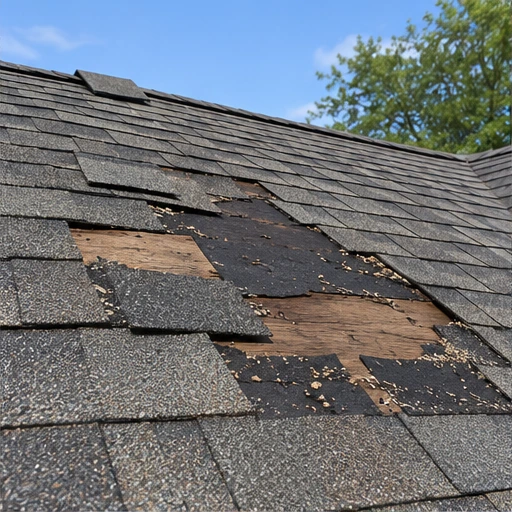
Missing or displaced shingles.
Cracked or moved tiles.
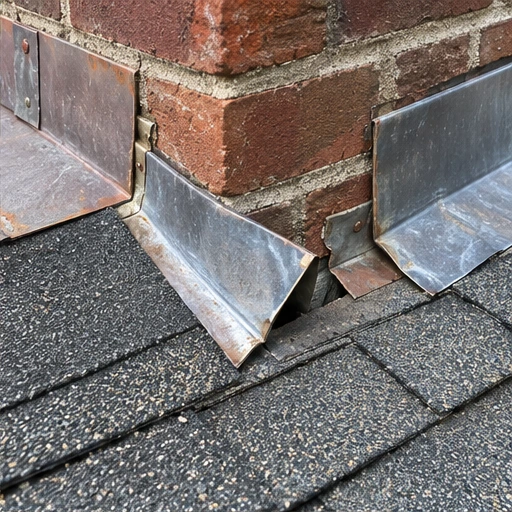
Bent or separated flashing.
Debris resting on or striking the roof.
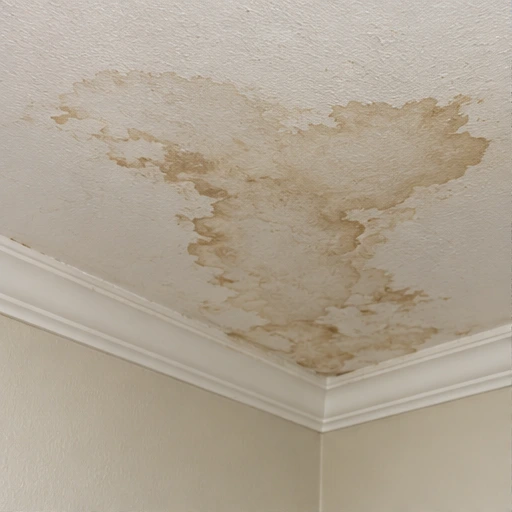
New stains or water entry indoors.
Damage near roof edges or equipment.
Drainage affected by accumulated debris.
A visible change in the roof’s shape.
Do not climb onto the roof to confirm damage. Observe from the ground or safe indoor locations.
If there are downed utilities, suspected instability, or an immediate threat to people, contact the appropriate emergency services or utility before arranging ordinary roofing access.
02
Urgent Exposure Versus Restoration
An active leak or exposed area may require an initial discussion about urgent assessment. That is different from establishing the permanent restoration scope.
Emergency roofing addresses the immediate concern, available assessment, and possible next steps under current conditions.
Storm restoration should then consider what was damaged and how the affected assembly can be repaired appropriately. Temporary protection, if suitable, does not establish that all damage has been resolved.
Ask which work is temporary, which is permanent, and what further evaluation remains necessary.
03
Establishing What Changed
The timing of a symptom provides context, but a problem appearing after a storm does not prove that every defect was caused by that event.
An existing weakness may become apparent during rainfall. A roof may also have both recent damage and older deterioration.
Share earlier photographs, repair records, and the history of leaks where available. Describe observations accurately rather than assigning a cause before evaluation.
A useful assessment distinguishes visible damage, conditions requiring further investigation, and uncertainties about when a defect developed.
A post-storm roof inspection can help establish visible condition and the questions that need answering.
Displaced or damaged covering may expose underlying materials. Evaluation should consider nearby components and whether they remain suitable for a repair connection.
Damage limited to one area may support a different scope from widespread displacement.
Flashing and Openings
Walls, skylights, vents, and roof transitions may be affected even when much of the covering remains intact.
The connection between components matters alongside obvious bending or separation.
Debris Impact
Impact can damage the visible covering and possibly the supporting assembly. The absence of an obvious opening does not establish that all underlying components are sound.
Large debris or a fallen tree may require separate removal or structural input before roofing work can proceed.
Moisture and Drainage
Water entry and obstructed drainage can affect areas beyond the most visible damage. Accessible interior evidence may help connect roof findings with reported symptoms.
Concealed moisture can require further investigation rather than assumptions based only on a dry surface.
05
Storm Repair Considerations by Material
Asphalt Shingles
Wind-related concerns may include lifted, torn, or missing shingles. Repair feasibility depends on the affected area, surrounding material condition, and availability of compatible components.
Replacing visible pieces should not overlook damage beneath them or at nearby connections.
Clay and Concrete Tile
Cracked or moved tiles require evaluation of both the covering and underlying protection. Compatible profiles and safe access can influence the repair plan.
An intact-looking tile field does not confirm the condition of underlayment or flashing.
Low-Slope Systems
Seams, perimeter details, openings, and drainage may need attention on low-slope roofs. The specific system should be identified before repair materials or methods are selected.
A general-purpose patch or coating should not be assumed suitable for every storm-damaged assembly.
06
Choosing an Appropriate Repair Scope
A localized repair may be considered when damage is defined and adjoining roofing remains serviceable. The proposed work should explain how the affected detail will be corrected.
Broader damage or underlying concerns may require additional investigation before a scope can be agreed.
A storm does not automatically mean full replacement. Compare the findings, repair limitations, and extent of damage rather than treating the event itself as the recommendation.
For a defined permanent repair, review roof repair services. Identify any other work needed for interior conditions, equipment, or structural concerns separately.
07
Documentation and Insurance Questions
Photographs taken safely, a timeline of observations, and records of previous work can help organize the discussion. Keep documents describing agreed roofing work and related costs.
Insurance coverage is separate from the roofing assessment. It depends on the policy, circumstances, and insurer’s determination.
If you are considering a claim, ask your insurer about documentation and claim procedures. Do not assume a roofing proposal guarantees payment or that insurance-related services are included.
Clarify who authorizes the roofing work and how temporary measures and permanent repair will be described. Coverage questions should not obscure the need to understand the actual scope.
The Los Angeles region generally has wetter winters and dry summers. Seasonal rainfall can reveal an existing defect or a newly damaged connection.
Wind-driven rain may produce different symptoms from rainfall under calmer conditions. Mention what you observed, but do not treat that pattern as conclusive proof of the entry point.
Local exposure varies. The evaluation should reflect the property rather than assume identical conditions across Torrance or exaggerate a particular type of storm damage.
For permanent work, confirm permits and applicable requirements with the authority serving the property.
09
A Practical Post-Storm Process
Report observations. Explain timing, visible changes, active leakage, and safety concerns.
Discuss initial arrangements. Clarify availability, access, and authorization.
Evaluate the affected roof. Review damage, surrounding condition, and uncertainties.
Define next steps. Separate temporary measures, further investigation, and repair.
Agree on the scope. Identify materials, exclusions, and change approval.
Review completion. Clarify what was addressed and what remains outside the roofing work.
Weather, debris removal, and access can affect the sequence. Ask which arrangements remain conditional.
10
Cost Factors and Questions to Ask
Cost depends on damage extent, material compatibility, access, underlying repairs, flashing, drainage, and any removal needed to reach the affected area.
Temporary protection and permanent restoration may be separate items. Debris removal or other trades may also fall outside the roofing scope.
Ask:
What findings support the proposed repair?
Is the damage localized or more extensive?
What remains concealed?
Which work is temporary?
Are debris removal and interior work included?
How will additional findings require approval?
Compare proposals for equivalent restoration work rather than relying only on totals.
11
Serving Torrance and Nearby Communities
Discuss storm-damaged roofing in Walteria, Hollywood Riviera, Southwood, North Torrance West, Pacific South Bay, and other listed areas.
Nearby West Carson and Alondra Park are also included. Share the property location when calling. Visit Torrance Roofing Pros for the wider service overview.
Does Damage Noticed After a Storm Prove the Storm Caused It?+
No. Timing is useful evidence, but existing deterioration may become visible during severe weather. Evaluation should distinguish observed damage from assumptions about its origin and explain any uncertainty.
Will Insurance Pay for the Roofing Work?+
Coverage depends on your policy, circumstances, and insurer’s determination. A roofing assessment or proposal does not guarantee payment. Ask the insurer about documentation, exclusions, and its claim process.
Should Missing Shingles Be Evaluated if There Is No Indoor Leak?+
Yes. Missing covering can expose underlying components even when water has not appeared indoors. Evaluation should consider the affected area and surrounding condition rather than using the absence of a ceiling stain as proof that no work is needed.
Is the Problem Resolved Once the Weather Clears?+
Not necessarily. Leakage may stop because rainfall has ended while damage remains. Review unresolved exposure and visible changes after conditions improve. Dry weather does not establish that the roof assembly has recovered.
Does Tree Impact Require More Than Roofing Repair?+
Possibly. Debris removal, structural evaluation, utilities, or other building work may require separate professionals. Safe access should be established before roofing work proceeds. Do not assume replacing the covering addresses every consequence of a substantial impact.
Must Storm Damage Be Repaired Across the Whole Roof?+
Not automatically. Damage extent, surrounding materials, and underlying findings guide the scope. A defined repair may be practical, while broader concerns may need further evaluation. The recommendation should explain why the proposed area of work is appropriate.
A clear next step starts here
Discuss Your Storm-Damaged Roof
Describe the changes you noticed and whether water is entering. Review assessment arrangements and a scope based on the property’s actual condition.