Active water entry or displaced roofing can require attention before a permanent repair scope is clear. The first questions concern safety, exposure, access, and what can reasonably be assessed under the current conditions.
Torrance Roofing Pros offers emergency roofing for urgent concerns affecting homes and commercial properties in Torrance and the listed nearby communities.
When calling, explain whether water is entering now, which areas are affected, and whether there are signs of instability. Ask about current availability and appropriate next steps. Scheduling and possible measures depend on the situation.
An urgent concern may involve an active leak, displaced covering, or damage exposing underlying materials. New conditions after wind or debris impact also deserve attention.
Examples include:
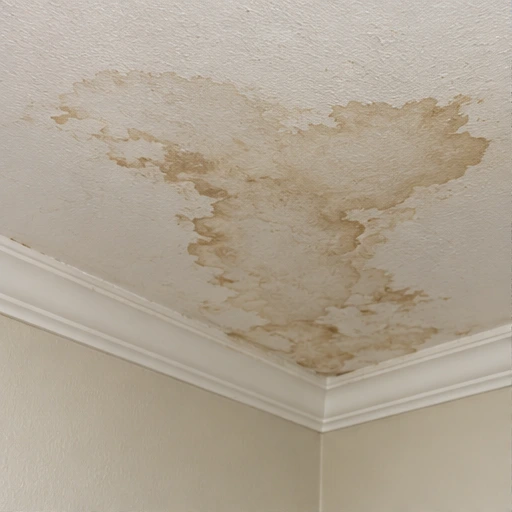
Water entering an occupied room.
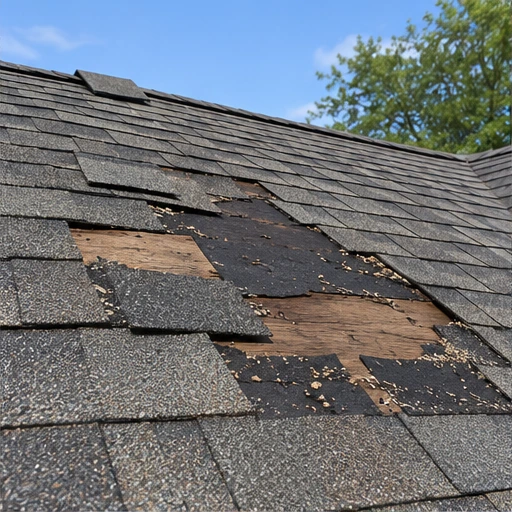
Roofing missing over an exposed area.
A damaged connection allowing continued water entry.
A roof opening affected by displaced materials.
Debris impact with possible underlying damage.
A ceiling that appears to be sagging.
Leakage near electrical equipment.
These situations do not all require the same response. Describe what you can observe safely so the initial conversation can distinguish roofing needs from immediate hazards.
If there is an immediate threat to people, suspected collapse, or an electrical hazard, contact the appropriate emergency services or utility. Roofing arrangements do not replace emergency hazard response.
02
Put Safe Observation First
Stay off the roof during rain, strong winds, or unsafe conditions. Do not climb onto damaged roofing to locate an opening or install a covering yourself.
Keep people away from sagging ceilings and water near electrical equipment. Avoid touching affected fixtures, wiring, or equipment.
From a safe location, note where water appears and whether the affected area is changing. Photographs taken indoors or from the ground may help explain the concern without creating additional exposure.
For commercial properties, notify the responsible manager and restrict access to affected areas where appropriate. Do not assume that continuing normal operations is safe simply because the damage appears limited.
03
Information to Share During the Call
Useful details help clarify the situation before access is arranged.
Explain:
The property location and building use.
Whether water is currently entering.
When the concern began.
The affected rooms or roof areas.
Visible missing or displaced materials.
Any debris impact or roof-mounted equipment involved.
Previous repairs near the concern.
Access restrictions and the person authorized to approve work.
You do not need to identify the exact cause. Report observations rather than guessing.
Mention if photographs or earlier roofing records are available. For a managed property, identify who can authorize evaluation and any initial protective work.
An urgent evaluation may focus on the condition causing current exposure. Weather, roof slope, damage, access, and visibility can limit what can be examined.
A complete diagnosis may not be possible during the initial visit. Intact materials can conceal damage, while unsafe conditions may prevent access to relevant areas.
Ask what the assessment can establish and which questions will remain open. Distinguish a visible defect from a confirmed explanation of the full water-entry path.
If more detailed investigation is needed, roof inspection can be discussed as a further step once conditions allow.
05
Temporary Protection and Permanent Repair
Temporary protection and permanent repair serve different purposes.
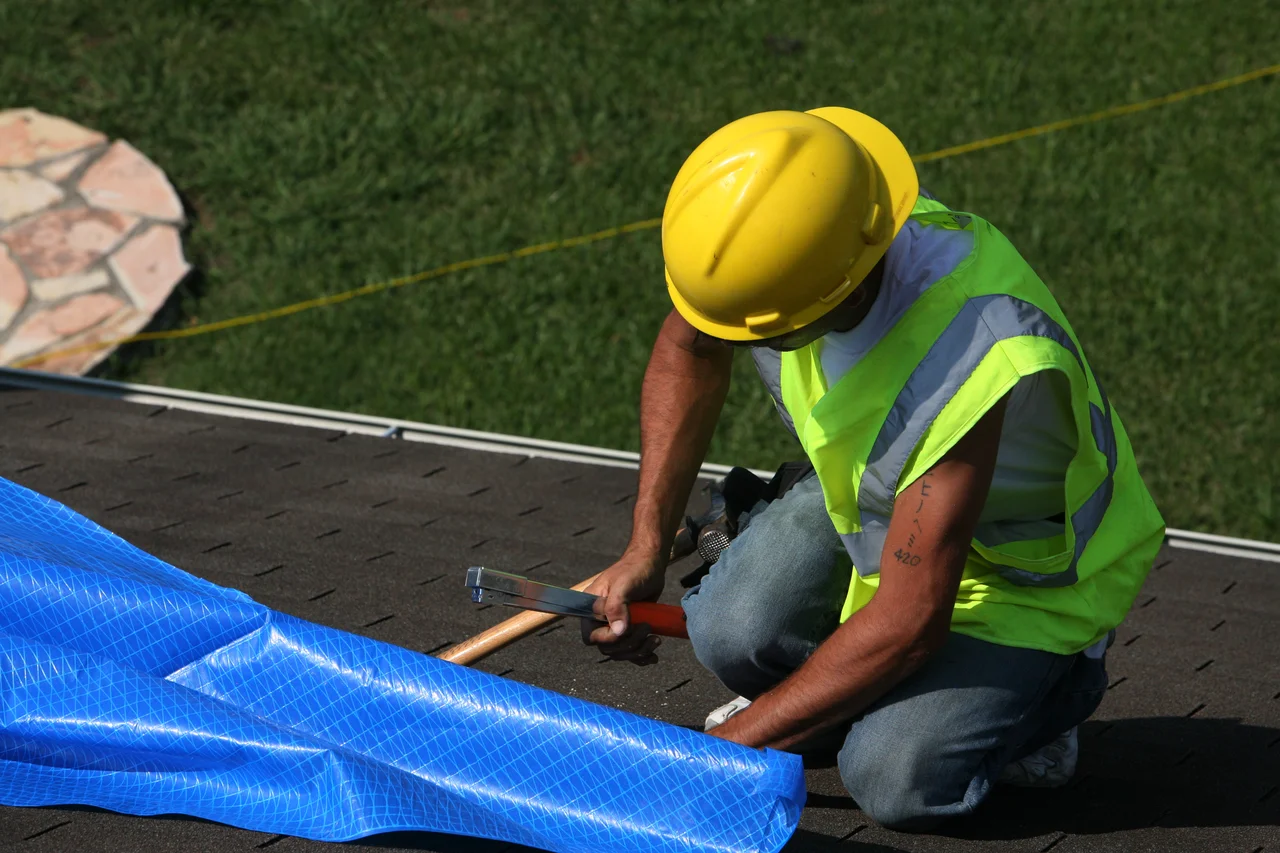
A temporary measure may reduce exposure while the roof is assessed or permanent work is arranged. Its suitability depends on the condition, assembly, weather, and safe access. No particular measure should be assumed available or appropriate before evaluation.
Permanent repair should address the identified cause and connect properly with the existing roof. It may require different materials, preparation, or access from an initial protective measure.
Ask how temporary work will be described, what its limitations are, and whether later removal or modification is part of the permanent scope.
A temporary covering does not establish that concealed moisture or underlying damage has been resolved.
06
Different Roofs Require Different Approaches
Shingle Roofs
Displaced shingles can expose underlying layers. Evaluation should consider nearby materials, the affected area, and whether the deck or underlayment has also been damaged.
A repair suitable for one isolated defect may not suit wider displacement.
Tile Roofs
Cracked or moved tiles may affect the assembly beneath them. Safe access and the condition of underlying protection matter alongside replacing visible pieces.
The intact appearance of nearby tiles does not confirm that concealed components are unaffected.
Low-Slope Roofs
Urgent concerns may involve openings, seams, edges, equipment connections, or drainage. Water can appear away from the original entry point.
The existing system must be identified before selecting compatible protective or repair materials.
07
Moving From Urgent Help to Lasting Work
Once immediate concerns have been assessed, the next discussion should clarify what remains to be corrected.
Other building components may also need attention. Interior drying, electrical work, structural evaluation, or equipment servicing should not be assumed part of the roofing agreement.
Identify which tasks are included, which require another professional, and who will coordinate them. Separate responsibilities help prevent an urgent measure from being mistaken for completion of the entire problem.
The Los Angeles region generally has wetter winters and dry summers. Roofing concerns may become apparent during seasonal rainfall after remaining unnoticed in dry weather.
Current conditions still determine what work can proceed safely. A climate pattern is not a forecast or a promise of availability.
Wind-driven rain may affect a connection differently from rainfall under calmer conditions. Mention those observations without assuming they prove the source.
Where permits or later permanent work are involved, confirm requirements with the authority serving the property. West Carson and Alondra Park are outside Torrance city limits and may follow a different permitting authority.
09
A Practical Emergency Roofing Process
Explain the current concern. State whether water is entering and whether anyone may be at risk.
Discuss availability and access. Identify restrictions, conditions, and authorization.
Clarify the initial scope. Understand what assessment or protection can be considered.
Review findings and limitations. Separate confirmed conditions from unresolved questions.
Plan permanent work. Agree on the repair scope, further investigation, and other responsibilities.
Ask what communication will occur if conditions prevent the planned work or the scope needs to change.
10
Cost Factors and Questions to Ask
Urgent roofing cost depends on access, roof type, exposure, materials, investigation, and the measures agreed.
Initial assessment, temporary protection, and permanent repair may be separate items. Ask how they are described and whether later work includes removing temporary materials.
Do not assume interior restoration or unrelated trades are included.
Useful questions include:
What can be assessed under current conditions?
Is the proposed measure temporary or permanent?
What limitations should I understand?
What requires additional approval?
Which further investigations may be needed?
Who coordinates work outside the roofing scope?
11
Serving Torrance and Nearby Communities
Discuss urgent concerns for properties in Old Torrance, Southwood, North Torrance West, Delthome, and other listed areas. Nearby West Carson and Alondra Park are also included.
Provide the exact property location when asking about arrangements. For the broader service range, visit our roofing services in Torrance.
Current availability must be discussed during your call. Do not assume 24/7 service, same-day attendance, or a guaranteed arrival time. Weather, access, existing commitments, and the property’s condition can affect arrangements.
Can Every Damaged Roof Be Covered Temporarily?+
No. Safe access, damage extent, roof geometry, materials, and weather influence what measures are appropriate. A temporary covering is not automatically suitable for every assembly. Ask what can reasonably be considered for the actual condition.
Does an Urgent Roofing Visit Include Permanent Repair?+
The scope needs to be clarified. An initial visit may focus on assessment or temporary protection, while permanent repair requires further planning. Ask which work is included and what remains before treating the roofing concern as resolved.
What if I Rent the Property?+
Notify the property owner or manager and explain any immediate hazards. Identify who is authorized to arrange roofing access and approve work. Emergency services should be contacted where there is an immediate threat to safety, regardless of who owns the building.
Should I Wait Until the Rain Stops Before Calling?+
You can explain the concern while it is occurring. That information may help establish urgency and the questions requiring attention. Actual roof access or work still depends on safe conditions; calling does not guarantee that work can proceed immediately.
If the Leak Stops, Is the Roof Safe to Leave?+
Stopped leakage does not prove that the defect has disappeared. Rainfall may have ended or changed direction, while damaged materials remain. Arrange evaluation of unresolved exposure or recurring moisture rather than relying solely on a dry interior.
A clear next step starts here
Discuss Your Urgent Roofing Concern
Explain what is happening now and ask about current availability, evaluation arrangements, and next steps for your property.