A roof leak, displaced tile, or damaged flashing connection can leave you wondering how much work your property needs. A useful repair begins with identifying the affected detail and understanding the condition of the roofing around it.
Torrance Roofing Pros offers roof repair for homeowners, commercial property owners, and property managers in Torrance and the listed nearby communities. Discuss what you have noticed, when the problem appears, and whether earlier repairs have addressed the same area.
The goal is to evaluate a defined concern and consider a repair that connects appropriately with the existing roof.
A localized repair may be practical when the problem is limited and surrounding materials remain suitable for continued use. Examples include damaged covering, an affected roof opening, or a flashing connection that needs attention.
The visible size of a defect does not necessarily establish the full scope. Water may enter through one detail, travel within the assembly, and appear indoors somewhere else. A small ceiling stain can therefore require evaluation beyond the roof area directly above it.
Signs worth discussing include:
New or recurring ceiling stains.
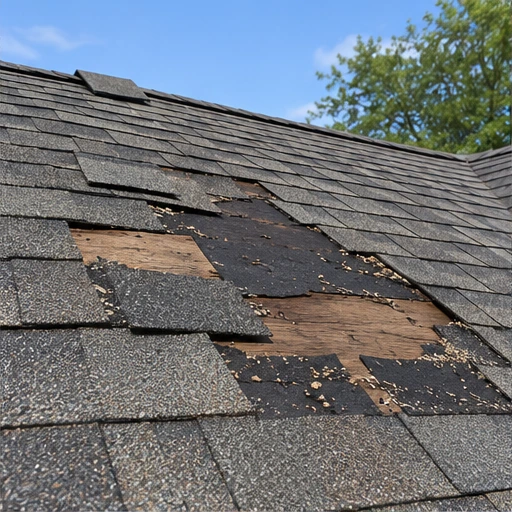
Missing, torn, or lifted shingles.
Cracked or displaced tiles.
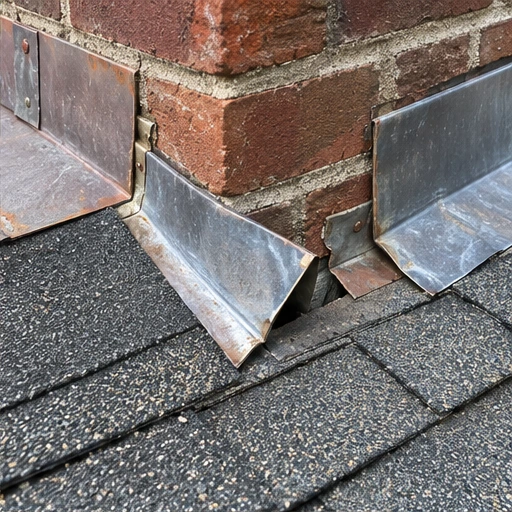
Separated flashing near walls or openings.
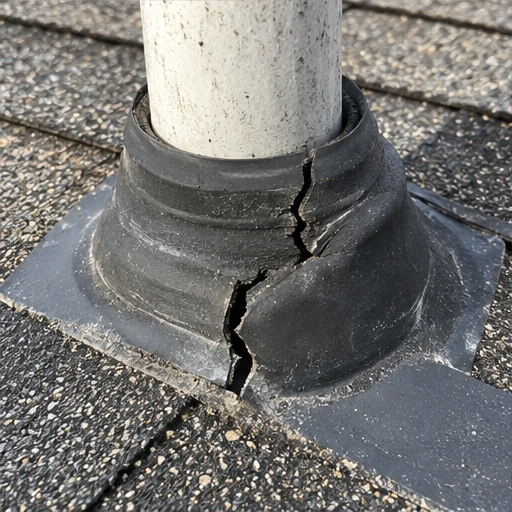
Deteriorated connections around vents.
Water collecting where drainage appears restricted.
A previous repair that continues to leak.
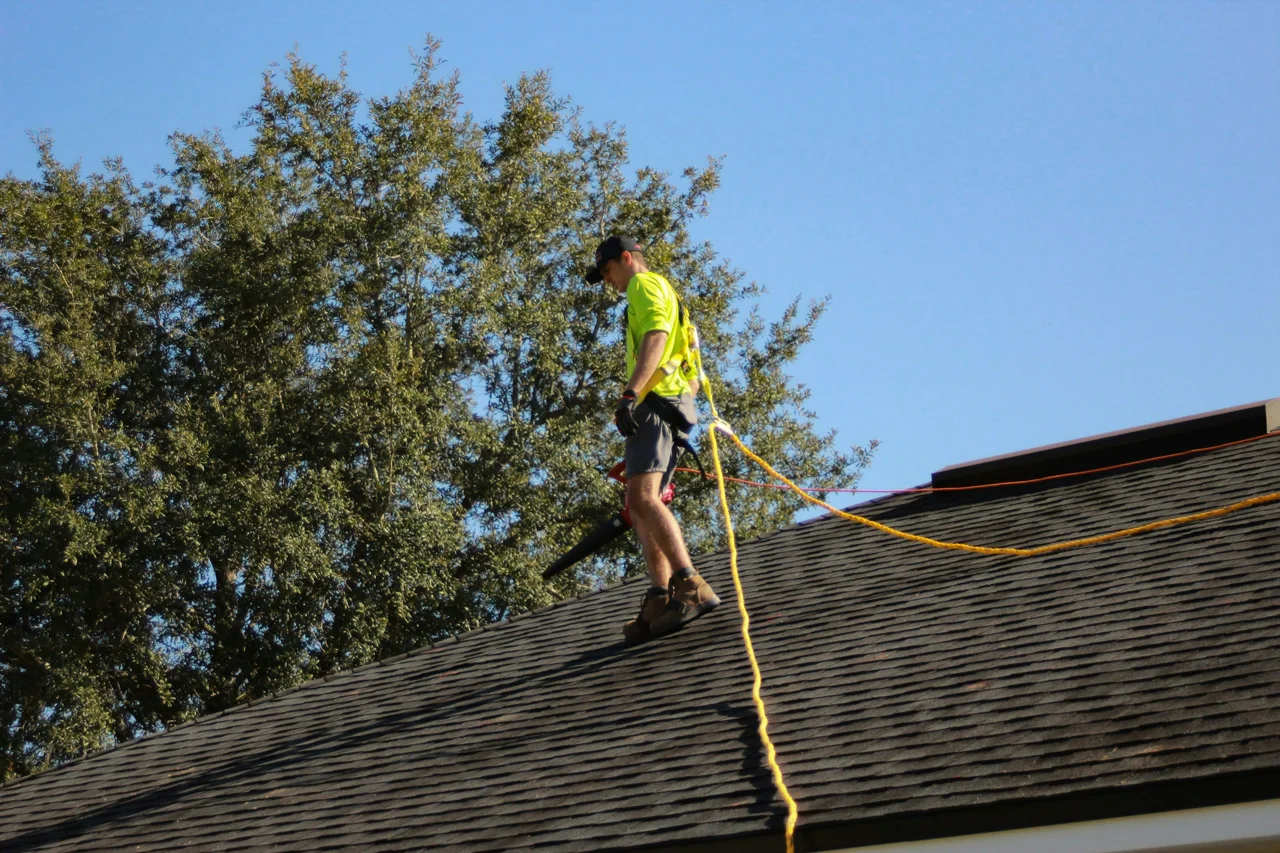
Observe these conditions from safe locations. Avoid climbing onto the roof to investigate them.
02
Finding the Cause of a Roof Leak
Roof leak repair in Torrance should consider the reported symptom alongside the roof’s construction. Timing is particularly useful: does water appear during every rain, only after prolonged rainfall, or when wind drives rain toward a particular side?
Previous work also provides context. A leak beginning after equipment installation may raise different questions from a longstanding stain beneath a roof transition. Neither circumstance proves the source, but both can guide investigation.
Evaluation may consider the covering, flashing, penetrations, drainage, adjoining walls, and accessible interior evidence. Moisture from plumbing or condensation may need consideration when findings do not support roof leakage.
Some conditions remain concealed beneath intact materials. Further investigation may be needed before a dependable repair scope can be established. Ask what can be observed initially and what would require opening part of the assembly.
03
What Influences Repair Feasibility?
Condition of Surrounding Roofing
A repair must connect with adjoining materials. Brittle, deteriorated, or extensively damaged roofing can make that connection difficult.
The question is broader than whether one damaged component can be replaced. Nearby materials must also remain suitable for the work required around them.
Underlying Conditions
Damage beneath the covering can change an apparently limited repair. Underlayment, decking, or other components may need attention once access becomes possible.
Clarify how additional findings will be documented, priced, and approved before the scope expands.
Material Compatibility
Replacement components should suit the existing assembly and applicable product requirements. Similar appearance alone does not establish compatibility.
Discuss differences in profile, dimensions, attachment, and surrounding details when matching older roofing.
Access and Roof Layout
Height, slope, skylights, adjoining buildings, and equipment affect access. Valleys and intersecting roof areas may also require a wider working area than the visible defect suggests.
Shingle roof repair may involve replacing damaged components and correcting an affected connection. The condition of nearby shingles influences whether they can be worked around without causing additional damage.
Color differences may remain visible because existing shingles have weathered. Discuss appearance alongside the proposed repair’s function.
Clay and Concrete Tile
Tile roof repair should account for both the visible tiles and the layers beneath them. Replacing a cracked tile may address one component while leaving an underlayment or flashing concern unresolved.
Tile profile, availability, breakage during access, and the condition of underlying protection can affect the scope.
Low-Slope Roofing
Low-slope repairs depend on the existing system. Seams, openings, edges, and drainage may require different approaches from a pitched shingle roof.
A coating or surface patch should not automatically be treated as an appropriate solution. The underlying condition and product compatibility need evaluation.
05
Repairing Flashing and Roof Connections
Flashing helps manage water at interruptions in the roof surface. These include walls, chimneys, skylights, vents, and transitions between roof areas.
A visible gap may involve more than an exposed seal. The connection between flashing, covering, and adjoining materials matters. Applying additional sealant without understanding that connection may leave the underlying concern unresolved.
Ask which components the proposed flashing repair includes. Work around a chimney or skylight may also involve another trade if the adjoining structure or unit is damaged.
06
When a Repair Has Limits
Repair becomes less practical when deterioration extends across several areas or surrounding materials cannot support a compatible connection.
Recurring leakage deserves renewed investigation. It does not automatically establish that the entire roof must be replaced, but it should prompt questions about the earlier diagnosis and broader assembly.
A roof inspection can help clarify condition. If findings suggest wider renewal, review the scope of roof replacement before deciding.
For active exposure or urgent water entry, discuss emergency roofing separately from the permanent repair.
07
Torrance Conditions to Consider
The Los Angeles region generally has dry summers and wetter winters. An unresolved defect may remain unnoticed through a dry period and become apparent when rainfall returns.
Drainage concerns should therefore remain under review even when indoor leakage has stopped. An addition, porch, or altered roof area may also introduce connections that deserve attention.
Coastal exposure varies by property. Where salt exposure is relevant, discuss the suitability of metal components and fasteners rather than assuming every Torrance roof faces identical conditions.
Confirm scope-specific permit requirements with City of Torrance Building and Safety. Properties outside Torrance follow their own permitting authority.
Describe the concern. Explain the location, symptoms, timing, and previous repairs.
Clarify evaluation arrangements. Discuss access, affected areas, and what can be examined.
Review findings. Separate observed defects from conditions that remain uncertain.
Agree on the repair scope. Identify materials, included work, exclusions, and change approval.
Coordinate the work. Discuss property access and any occupied areas affected.
Review completion. Clarify the completed work, remaining concerns, and relevant maintenance guidance.
Ask how success will be assessed. A dry-weather completion review and a later rainfall observation provide different information.
09
What Affects Roof Repair Cost?
Cost depends on the work required to reach and correct the identified problem. Variables include slope, height, access, material availability, repair area, removal, underlying damage, and flashing complexity.
A limited surface defect may require surrounding materials to be lifted or removed. Conversely, a visible interior stain does not establish that extensive roof work is needed.
Compare proposals by scope rather than total alone. Ask whether access work, disposal, permits where applicable, and additional investigation are included.
Useful questions include:
What evidence supports the proposed repair?
Which surrounding materials will be disturbed?
What remains concealed?
How will additional damage require approval?
Are interior repairs or other trades excluded?
10
Serving Torrance and Nearby Communities
Discuss roof repair for properties in Old Torrance, Southwood, Walteria, Delthome, and other listed service areas. Nearby West Carson and Alondra Park are also included; they are separate communities outside Torrance city limits.
Provide your property location when calling so service arrangements can be discussed. For the wider service overview, visit Torrance Roofing Pros.
Possibly, if the surrounding shingles remain workable and a compatible replacement is available. Evaluation should also consider why the shingle was damaged and whether underlying components were affected. Replacing the visible piece alone may not resolve a related connection or attachment problem.
Will a Repair Match My Existing Roof Exactly?+
An exact visual match may not be possible. Weathering, discontinued products, and differences between manufacturing runs can affect appearance. Ask about available compatible materials and discuss any likely color or profile differences before agreeing to the repair.
Does a Leak Near a Gutter Mean the Gutter Is Responsible?+
Not necessarily. Overflowing drainage, roof edges, flashing, and adjoining materials can produce similar symptoms. The relationship between the gutter and roof should be evaluated rather than assigning the cause based only on where water appears.
Is Adding Sealant Enough to Repair Flashing?+
Sometimes a seal is part of an appropriate detail, but additional sealant is not a universal flashing repair. The flashing’s condition, arrangement, and connection to adjacent materials determine what work is suitable. A separated or damaged assembly may need more than a surface application.
Can Repair Work Be Planned Around an Occupied Property?+
Discuss access, working areas, parking, pets, tenants, and material placement before scheduling. Arrangements depend on the property and scope. Mention rooms affected by leakage and any restrictions that could influence how evaluation or work proceeds.
What Should I Do if the Same Leak Returns?+
Record when it happens and contact the party responsible for the earlier work. Repeated leakage should prompt reconsideration of the entry path, surrounding details, and repair limitations. Another patch should not be assumed appropriate without reviewing why the previous approach did not resolve the concern.
A clear next step starts here
Discuss Your Roof Repair
Explain the roofing problem you have noticed and the questions you want answered. Torrance Roofing Pros can discuss evaluation arrangements and the next steps for your property.