Roofing decisions for a home should account for the existing construction and the people living beneath it. A leak, damaged covering, or aging assembly may require different work, even when the visible symptoms look similar.
Torrance Roofing Pros offers residential roofing services for homeowners and residential property owners in Torrance and the listed nearby communities.
Discuss the concern you have noticed, the roof areas involved, and your plans for the property. Evaluation should help distinguish a defined repair from broader renewal or further investigation.
A house may contain several roof areas with different needs. The main roof, garage, porch, and addition may differ in slope, covering, drainage, or connection to adjoining walls.
Those differences matter when planning work. A material suitable for the main pitched roof may not suit a low-slope extension. A leak near an addition may involve the connection between assemblies rather than a defect in the open roof surface.
Tell Torrance Roofing Pros about skylights, solar equipment, vents, earlier additions, and previous roofing work. These details help establish what should be considered during evaluation.
Property records can provide context, but the actual condition still needs attention.
02
Signs Your Roof May Need Evaluation
Reasons to discuss residential roofing include:
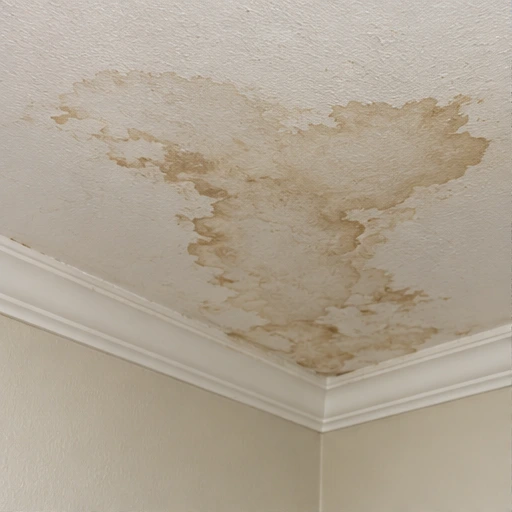
Ceiling or wall stains that appear or change.
Missing, lifted, or visibly damaged shingles.
Cracked or displaced tiles.
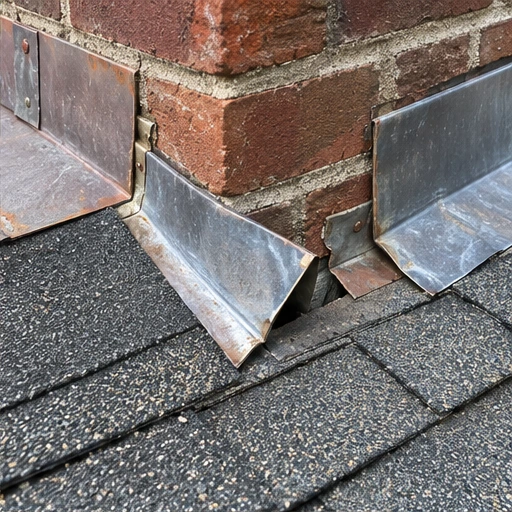
Deteriorated flashing around walls or openings.
Repeated repairs near the same area.
Drainage overflowing or collecting water.
Visible changes around roof-mounted equipment.
Questions about an aging roof’s condition.
Observe changes from safe locations. Avoid walking on the roof to check materials or applying products without understanding the assembly.
Interior moisture does not identify its source by itself. Roof leakage, condensation, plumbing, or another building issue may require consideration.
03
Repair, Replacement, and Inspection
A Defined Repair
Home roof repair may be practical when the defect is limited and surrounding materials remain serviceable.
The proposed work should explain how the cause will be addressed and how new components connect with the existing roof. A small visible symptom does not necessarily mean the underlying work is equally small.
Age alone should not decide the scope. Compare the roof’s condition, repair feasibility, underlying concerns, and your property plans.
Understanding Condition
A residential roof inspection can help identify visible concerns and questions requiring further investigation.
Clarify the areas reviewed and any access limitations. An inspection cannot establish the condition of every concealed component.
A closer look / Residential Roofing
Pitched roof areas · Reference photographConnections matterChanges indoors
04
Evaluation Factors for a Home
Existing Materials
The covering’s condition influences what can be repaired or retained. Weathered appearance and functional deterioration are related but different observations.
Ask whether adjoining materials can accept the proposed work and whether compatible components remain available.
Roof Connections
Walls, skylights, chimneys, vents, valleys, and roof transitions interrupt the covering. These details deserve attention when symptoms appear nearby or repairs have repeatedly focused on them.
Accessible Underlying Evidence
Accessible attic or interior conditions may provide context for moisture or deterioration. Access should be agreed and safe.
An apparently sound surface does not confirm that every underlying layer is unaffected.
Drainage and Alterations
Gutters, roof edges, outlets, and altered roof areas influence water movement. A previous addition can change drainage or introduce a connection that needs review.
05
Residential Roofing Materials
Asphalt Shingles
Asphalt shingles may suit appropriately sloped roofs. Their performance depends on the surrounding assembly, including underlayment, flashing, attachment, and ventilation where applicable.
Discuss product requirements and existing material condition before choosing repair or replacement components.
Clay and Concrete Tile
Tile roofs require attention beneath the visible covering. Underlayment, fastening, flashing, and supporting construction remain important even when many tiles appear intact.
Changing to a heavier covering requires confirmation of structural suitability. Reusing existing tiles should be evaluated rather than assumed.
Low-Slope Home Roof Areas
Some homes have low-slope additions, porches, or other sections. Those areas may require assemblies different from the main pitched roof.
System selection should consider slope, supporting construction, drainage, and compatibility at the transition.
06
Planning Work Around an Occupied Home
Discuss how the roofing work will affect household access and routines. Parking, deliveries, pets, landscaping, and material storage can influence arrangements.
Identify doors, paths, or rooms that may be affected. Mention household needs that could alter scheduling or communication.
Ask how access restrictions and work areas will be communicated. Do not assume a room or outdoor area will remain usable throughout the project.
Roof-mounted equipment may require another trade. Clarify who coordinates any removal, reconnection, or related work and whether it is included in the roofing agreement.
07
Torrance Considerations for Homeowners
The Los Angeles region generally has dry summers and wetter winters. Reviewing unresolved concerns before seasonal rainfall provides an opportunity to discuss options without treating dry weather as proof that a roof defect has disappeared.
Sun exposure and material properties can inform selection. Compare documented product ratings where energy performance matters.
Coastal exposure varies by site. Homes nearer ocean exposure may face different conditions from properties farther inland; component selection should reflect the actual property.
Confirm permits and applicable requirements with City of Torrance Building and Safety. California’s 2025 Energy Code applies to permit applications filed on or after January 1, 2026, but the roofing provisions relevant to a project depend on its scope and building conditions.
Explain the concern. Share symptoms, roof history, and your property plans.
Arrange evaluation. Discuss access and which roof areas need review.
Understand findings. Ask what is observed and what remains concealed.
Compare approaches. Review repair, replacement, or investigation as appropriate.
Agree on scope. Define materials, exclusions, changes, and household arrangements.
Review completion. Clarify completed work and relevant maintenance guidance.
If additional conditions appear during work, changes should be discussed before the agreed scope expands.
09
Maintenance and Cost Considerations
Follow maintenance guidance appropriate to the roof material. Watch for displaced covering, damaged edges, drainage problems, and new interior stains from safe locations.
A maintenance visit and a repair project may have different scopes. Clarify what is included rather than assuming routine attention resolves an existing defect.
Residential roofing cost depends on size, slope, access, material choice, removal, underlying repairs, flashing, and drainage. Additions and complex roof shapes can introduce details beyond the main roof surface.
Ask proposals to explain allowances, exclusions, and change approval. Compare equivalent work rather than assuming the lowest total covers the same assembly.
10
Questions to Ask Before Agreeing to Work
What findings support the recommendation?
Which roof areas are included?
What existing materials will remain?
How will concealed damage be handled?
Are equipment or interior tasks excluded?
What access arrangements does the household need?
Which maintenance instructions apply afterward?
Verify a contractor’s identity and appropriate license information through the California Contractors State License Board. Review insurance information and the written scope directly; do not infer credentials from website language.
11
Serving Torrance and Nearby Communities
Discuss roofing for homes in Southwood, Walteria, Hollywood Riviera, Country Hills, Old Torrance, and other listed areas.
Nearby West Carson and Alondra Park are also included in the service-area list. Share the property location when calling. Visit Torrance Roofing Pros for the full service overview.
Can My Garage Need Different Roofing Work From the House?+
Yes. A garage may have a different slope, covering, age, or drainage arrangement. Evaluation should distinguish its condition from the main roof. A problem in one area does not automatically establish that every roof section needs the same work.
Could Attic Moisture Come From Something Other Than a Roof Leak?+
Yes. Condensation, ventilation-related conditions, or other building issues may contribute to moisture. The reported timing and accessible evidence should be considered alongside roof findings. A stain or damp area alone does not establish the source.
Does Replacing One Roof Section Require Replacing All Sections?+
Not always. The condition of each area and the connections between them matter. Ask whether a sectional approach is practical and what limitations would remain. Retained roofing must provide a suitable connection for the new work.
Should Solar Panels Be Mentioned During the First Call?+
Yes. Equipment affects access, sequencing, and roof connections. Identify who installed it and whether records are available. Any equipment removal or reconnection may require separate arrangements, so those responsibilities should be clarified early.
Can an Older Tile Roof Be Evaluated Without Assuming Replacement?+
Yes. Evaluation can consider visible tiles, flashing, and accessible evidence of underlying condition. Age is useful context, but the recommendation should reflect findings and repair limitations. Intact tiles alone do not establish that the layers below remain sound.
What Should My Household Prepare Before Work?+
Discuss parking, access paths, pets, material storage, and areas affected by the agreed scope. Preparation depends on the project. Ask for property-specific arrangements rather than assuming all residential roofing work creates the same disruption.
A clear next step starts here
Discuss Roofing for Your Home
Explain the concern, the roof areas involved, and your plans for the property. Review practical options before deciding on the work.