Roof Surface
Review visible damage, displacement, wear, and changes in the covering. Appearance can provide useful information without establishing every underlying condition.
A roof inspection helps clarify visible condition, areas of concern, and questions that need further investigation. It provides a starting point for decisions rather than a promise that every concealed defect can be found.
Torrance Roofing Pros offers roof inspection for homeowners, commercial property owners, and property managers in Torrance and the listed nearby communities.
Whether you are investigating a leak, reviewing an aging roof, or planning work, explain your purpose before arranging the evaluation. The agreed scope and available access determine what can be reviewed.
Call +1 (833) 580-6717 · Monday–Sunday, 9:00 AM–5:00 PM
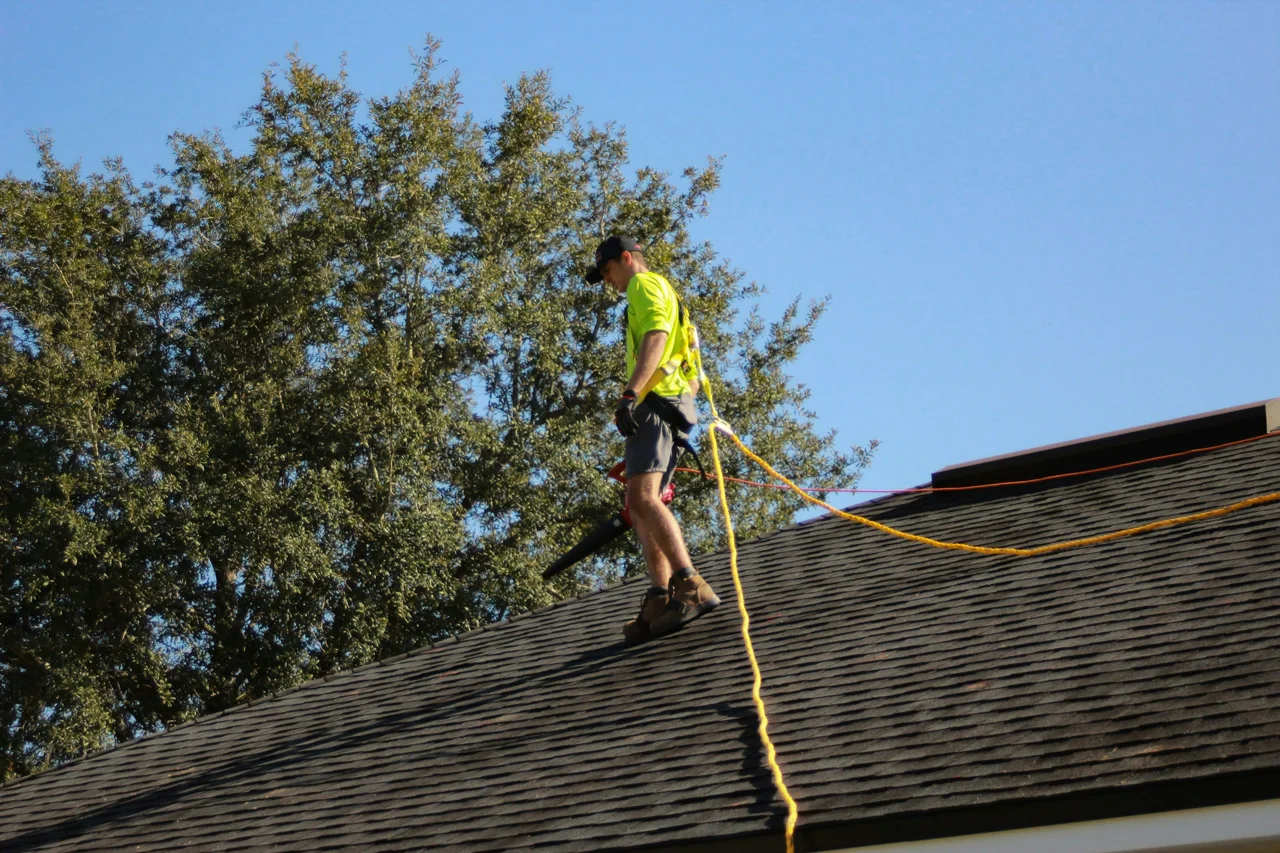 Surfaces · Connections · Limitations
An inspection may be useful when you need a clearer understanding of condition before deciding on work.
Situations include:
The reason for the inspection matters. A general condition assessment and an investigation focused on one leak may require different attention.
Explain the decision you hope to make so the scope can be discussed accordingly.
A roof condition assessment reviews the assembly within an agreed scope. Leak diagnosis investigates how moisture enters and reaches the area where it becomes visible.
These tasks overlap, but they are not interchangeable.
A visual inspection may identify a damaged connection without proving that it caused a particular ceiling stain. Water can travel through the assembly before appearing indoors, and other moisture sources may need consideration.
Useful information includes when leakage occurs, whether wind appears relevant, and whether the issue began after earlier work. Safe indoor photographs and previous repair records can help connect observations.
Ask whether your roofing inspection is intended to review general condition, investigate a specific symptom, or both.
Before the evaluation, clarify which roof areas, interior spaces, and accessible components will be considered.
Access can be limited by height, slope, damage, equipment, weather, or concealed construction. Those limitations should be understood rather than treated as minor details.
Discuss how findings will be communicated. Written reports, specialist testing, certification, or particular inspection methods should not be assumed unless confirmed.
If you need a specific deliverable for a transaction, insurer, or management process, explain that requirement before arranging the service.
An inspection should have a defined purpose and realistic boundaries.
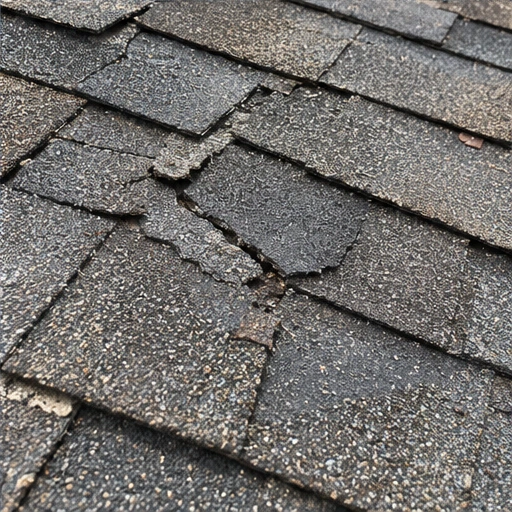
Review visible damage, displacement, wear, and changes in the covering. Appearance can provide useful information without establishing every underlying condition.
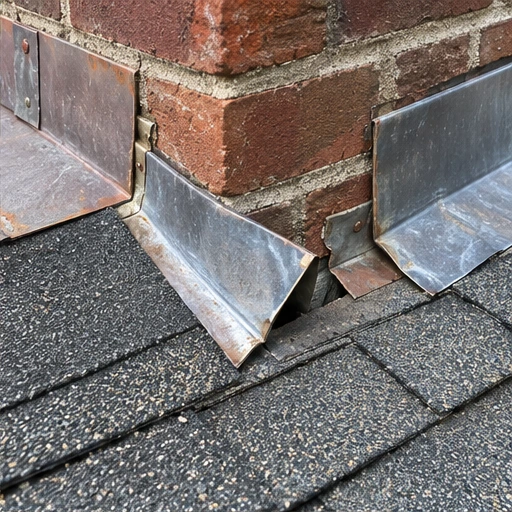
Consider connections at walls, chimneys, skylights, adjoining roofs, and other interruptions. Visible condition should be evaluated alongside the relationship between materials.
Vents, equipment connections, and other openings may need attention. Recent work around these areas can provide relevant context.
Water-carrying areas and perimeter details can influence performance. Damage or changes here may affect areas beyond the visible defect.
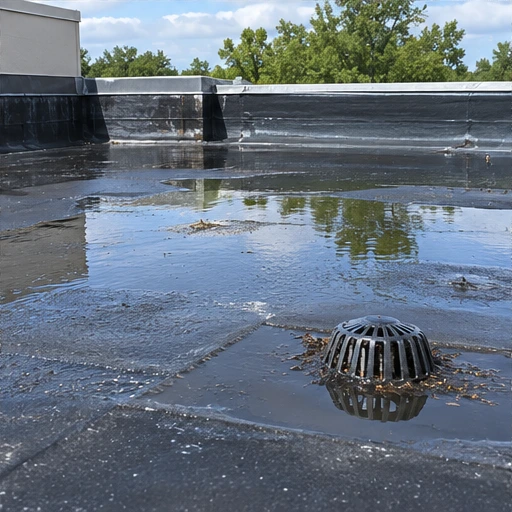
Consider whether water can reach and leave through intended outlets. Obstructions, roof geometry, and signs of retained water may raise further questions.
Existing patches can affect the current assembly and proposed work. Their condition and compatibility should be considered where visible.
Accessible evidence may reveal moisture or deterioration. Intact coverings can still prevent observation of parts of the assembly.
Where included and accessible, interior evidence can help relate reported symptoms to roof findings. A stain alone does not establish the source.
An assessment may consider missing, lifted, torn, or deteriorated shingles and nearby connections. The condition of adjoining materials helps inform whether a repair could be practical.
Surface wear should be considered alongside attachment, flashing, and accessible evidence beneath the covering.
Tile condition is only part of the picture. Underlayment, flashing, fastening, and supporting construction also influence performance.
An intact visible tile surface cannot confirm the condition of every concealed layer. Access and compatibility may affect any recommended investigation or repair.
Evaluation may consider seams, edges, openings, drainage, and visible surface changes. The existing system should be identified before interpreting findings or suggesting work.
A roof coating can obscure or change what is visible. Its presence does not establish that the underlying assembly is sound.
A visual review cannot detect every concealed defect. Wet insulation, deck deterioration, or damage below intact materials may remain unconfirmed.
An inspection also does not automatically establish structural adequacy, certify a remaining lifespan, or guarantee future performance.
If findings suggest a need for additional testing or opening the assembly, ask what question that work would answer. Clarify the method, scope, cost, and authorization before it proceeds.
Separating observed facts from possible explanations helps prevent uncertain findings from becoming an unsupported recommendation.
A defined defect may lead to roof repair if surrounding materials remain suitable.
Wider deterioration or repair limitations may justify discussing roof replacement. That decision should follow the findings rather than an assumption based on age alone.
Where changes followed severe weather, storm damage roof repair can provide context for evaluating affected areas.
An inspection may also establish that another trade or building investigation is needed. Not every moisture problem originates in the roof covering.
The Los Angeles region generally experiences dry summers and wetter winters. An inspection during a dry period can identify visible concerns, although active leakage may not be observable at that time.
Unresolved stains, displaced materials, and earlier drainage issues remain relevant even when the interior is currently dry.
Sun exposure and site-specific coastal conditions may influence component condition. Discuss the actual property rather than assuming all Torrance roofs have identical exposure.
If inspection findings lead to proposed work, confirm scope-specific permits and applicable requirements with the authority serving the property. An inspection discussion should not be mistaken for permit approval.
Ask which conclusions are supported by observation and which require additional evidence.
For a managed property, identify who can authorize access and any further work before the appointment is arranged.
Inspection cost depends on scope, roof size, complexity, access, building height, and the areas included. A general review may differ from a focused investigation involving several roof sections and interior access.
Specialist testing or additional investigation may require a separate agreement. Ask what is included rather than assuming every method or deliverable forms part of the initial evaluation.
Useful questions include:
Discuss roof inspections for properties in Old Torrance, Southwood, Delthome, Country Hills, Pacific South Bay, and other listed areas.
Nearby West Carson and Alondra Park are also included. Provide your location and building type when calling. Visit our Torrance roofing services for the full service overview.
Understand the options, scope, and limitations before deciding on work.
Discuss a roofing question ↗No. A visual review may identify concerns without confirming the full moisture path. Concealed materials and intermittent leakage can limit conclusions. Ask whether further investigation is needed and what evidence would help connect the findings to the reported symptom.
Do not assume certification is included. Discuss the agreed service and any required deliverable before arranging it. A condition assessment should not be treated as structural approval, a remaining-life guarantee, or a promise of future performance.
No. Intact coverings can prevent access to underlying components. Accessible evidence may suggest a concern, but opening the assembly or additional investigation may be needed to establish it. Such work should have a separately agreed purpose and scope.
Yes, visible condition and roof details can still be reviewed. However, an intermittent leak may not be active. Share its timing, photographs, and previous history so the dry-weather findings can be considered alongside the reported problem.
Explain the transaction purpose and any required documentation. Ask about reviewed areas, limitations, unresolved concerns, and proposed next steps. Do not assume an inspection guarantees future performance or replaces other building assessments.
The appropriate interval depends on the system, condition, manufacturer guidance, maintenance needs, and property use. Severe weather, visible changes, or new moisture concerns may justify additional evaluation. Discuss a property-specific approach rather than assuming one schedule suits every roof.
Explain what you want to understand about the roof. Agree on an evaluation scope that addresses your questions and makes its limitations clear.