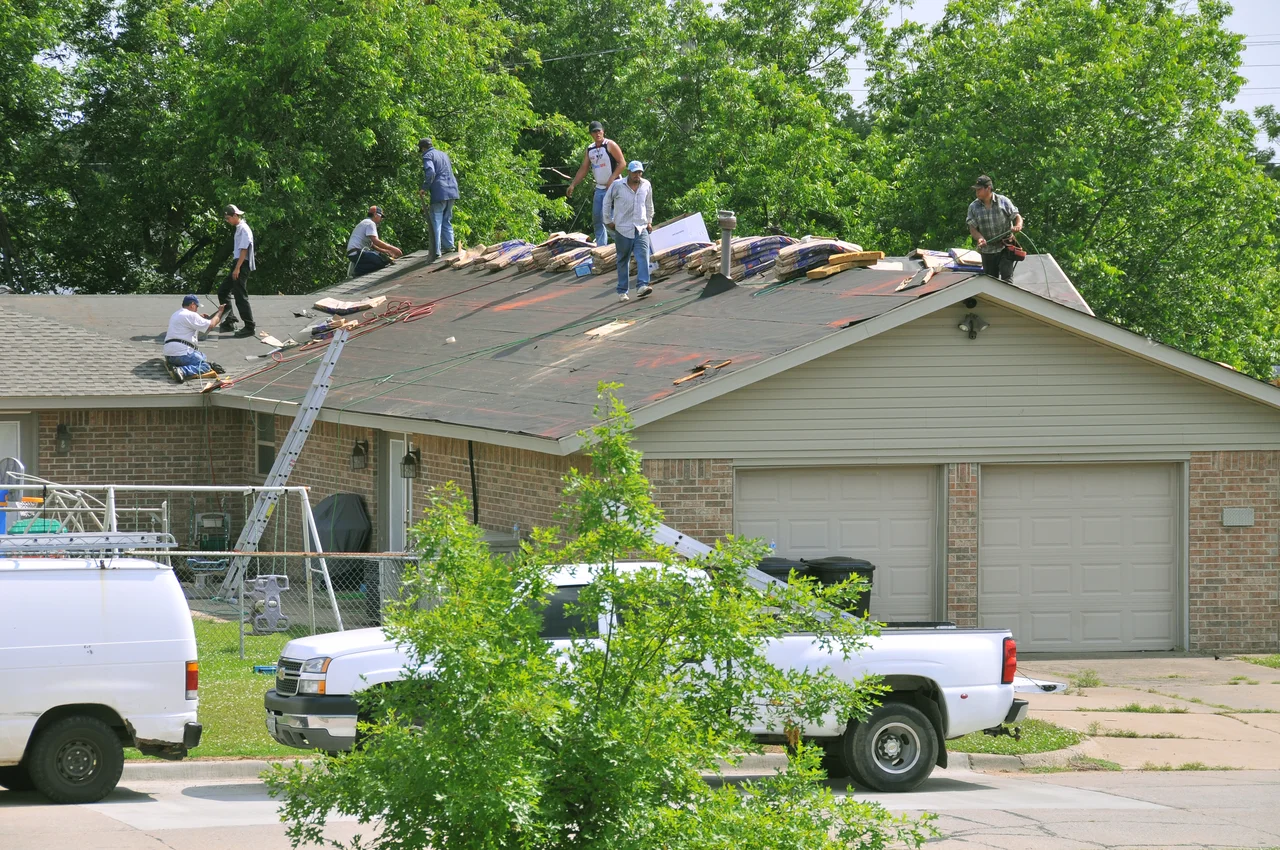
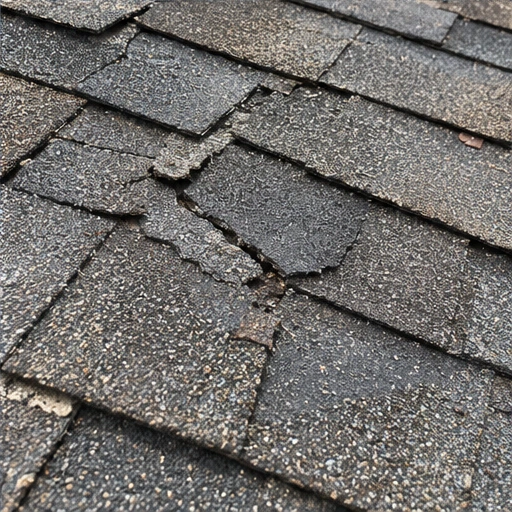
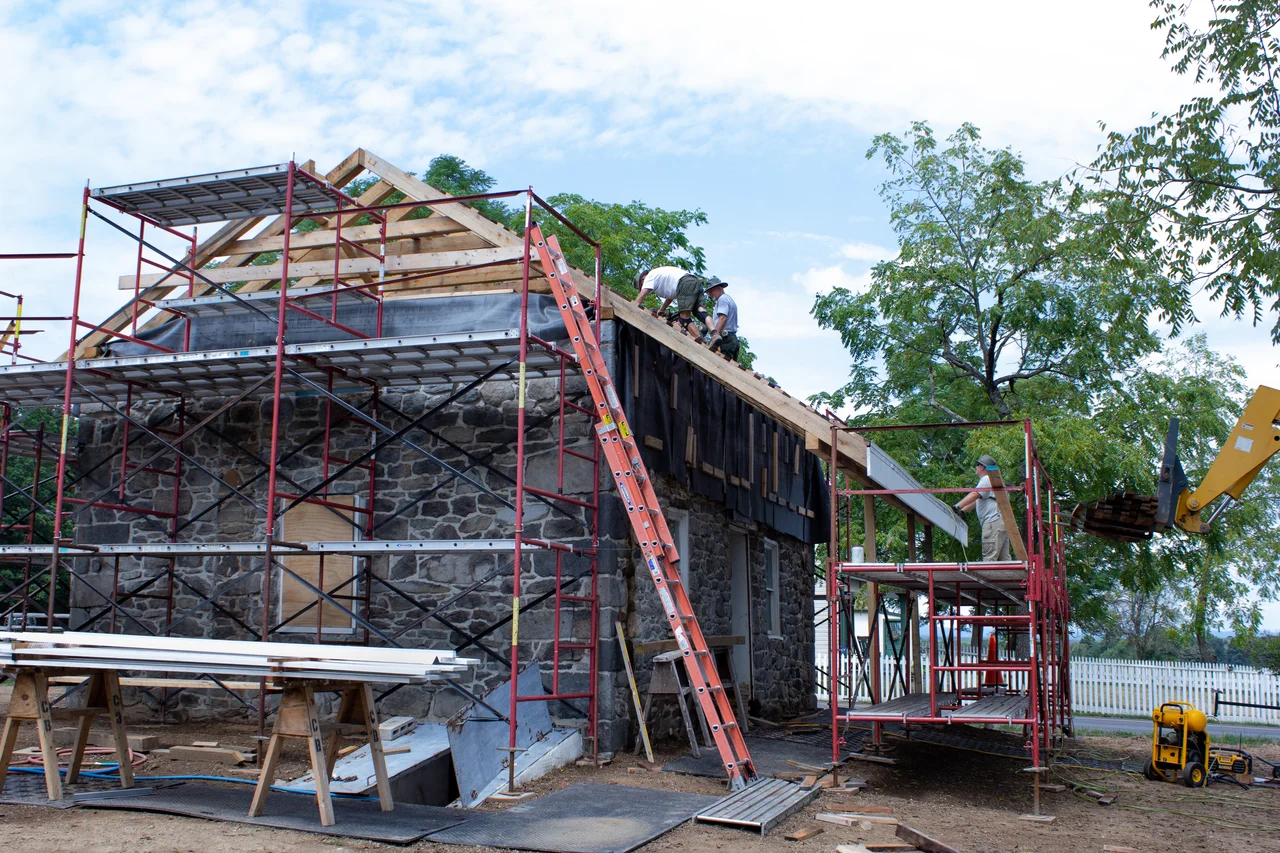
Replacing an existing roof is a decision about the complete assembly, not simply a new visible covering. The condition of existing layers, supporting materials, flashing, and drainage helps determine what the project should include.
Torrance Roofing Pros offers roof replacement services for homeowners, commercial property owners, and property managers in Torrance and the listed nearby communities.
Whether you are comparing repairs with broader renewal or planning work on a deteriorated roof, start by discussing its condition, history, and use. An older roof does not automatically need replacement.
Replacement may deserve consideration when deterioration affects several areas, repairs keep expanding, or the existing assembly limits further dependable work.
Age can provide useful context, especially when records identify the materials and earlier installations. However, a calendar estimate cannot establish the roof’s current condition or remaining serviceability.
Reasons to arrange evaluation include:
Recurring leaks with broader unresolved concerns.
Damage affecting multiple roof areas.
Widespread deterioration of the covering.
Underlying damage identified during earlier work.
Numerous incompatible or overlapping patches.
A planned material change requiring assembly review.
Repair proposals that increasingly approach broader renewal.
These circumstances support investigation. They do not establish replacement as the only appropriate answer.
02
Understanding the Existing Roof
Replacement planning begins with what is already present. The covering, number and condition of layers, supporting deck, insulation where applicable, and adjoining details influence the proposed work.
Records from previous projects can help explain the assembly. Where records are unavailable, some conditions may remain uncertain until materials are removed or additional investigation is authorized.
Tell Torrance Roofing Pros about recurring problem areas, additions, roof-mounted equipment, and changes made by other contractors. An altered roof section may need a different approach from the original building.
A roof inspection can help establish visible condition and identify questions requiring further investigation.
03
What a Replacement Scope Should Explain
Removal and Disposal
Clarify which existing materials will be removed and how disposal is addressed. “New roof” can describe different scopes, so the proposal should identify the work beneath the final covering.
Access for debris handling and material delivery also affects planning, particularly on occupied or constrained properties.
Deck and Underlying Repairs
The supporting deck may reveal damage after removal. Ask how those findings will be communicated and how additional work will require approval.
A proposal should distinguish anticipated work from conditions that cannot yet be established. Avoid assuming all underlying repairs are included unless the scope says so.
Underlayment and Supporting Components
The assembly should identify the underlayment and other components relevant to the selected system. Product compatibility and installation requirements matter alongside the appearance of the covering.
Changing a material can also change requirements for support, attachment, or other assembly details.
Flashing and Drainage
Discuss roof-to-wall connections, skylights, penetrations, valleys, roof edges, gutters, and outlets. Replacing the covering while overlooking a defective connection can leave a concern unresolved.
Identify whether existing components will be replaced, modified, or retained and why.
An additional covering over an existing roof is not suitable for every property. Existing layers, moisture, structural suitability, product requirements, and applicable rules influence whether such an approach can be considered.
Retaining materials may limit access to underlying conditions. Removal can provide a different opportunity to examine the deck, although concealed conditions can still require further investigation.
Ask why the proposed approach is appropriate for your roof. Compare what can be evaluated under each option and what uncertainties would remain.
Do not treat a lower-disruption approach as equivalent to a full removal scope without reviewing those differences.
05
Choosing Replacement Materials
Asphalt Shingles
Asphalt shingles may be considered for suitably sloped roofs when the building and proposed assembly meet applicable requirements.
Selection includes more than color. Underlayment, attachment, flashing, and ventilation where applicable should be addressed as part of the system.
Clay and Concrete Tile
Tile replacement requires attention to supporting construction, underlayment, fastening, and roof connections. A change to a heavier covering may require additional structural evaluation.
If retaining existing tiles is proposed, clarify their condition, compatibility, availability of replacements, and how breakage will be handled. Reuse should not be assumed possible.
Low-Slope Systems
Low-slope assemblies require property-specific selection. Existing moisture, seams, insulation where applicable, edges, penetrations, and drainage can influence the replacement plan.
Discuss the systems available for your project rather than assuming every low-slope roof should receive the same covering.
06
Replacement Is Different From New Installation
Roof replacement addresses an existing roof, including removal decisions and conditions discovered beneath old materials.
Roof installation for new construction or an addition begins with a planned assembly and coordination with the building design. A project containing both existing and new roof areas may need both approaches.
If the concern is confined to one workable detail, roof repair may remain an option. Compare the evidence and scope before committing to broader work.
07
Planning Around the Property
Discuss occupancy, parking, deliveries, tenant access, landscaping, and areas used for material storage. These arrangements can influence scheduling and working space.
Roof-mounted equipment may require coordination with another qualified trade. Identify who is responsible for disconnection, relocation, reconnection, and related approvals where needed.
Weather can affect sequencing and the work that can proceed safely. Ask how exposed areas and interruptions will be managed within the agreed plan, without assuming an exact schedule can be guaranteed.
For commercial properties, identify who can authorize changes when concealed conditions are discovered.
Torrance is within the Los Angeles region’s generally dry-summer, wetter-winter climate. Planning ahead of seasonal rainfall can provide time to review options, but scheduling still depends on actual conditions and availability.
Sun exposure and site-specific coastal conditions can inform product and component selection. Compare documented product information where energy performance or corrosion resistance matters.
Confirm permit requirements with City of Torrance Building and Safety. California’s 2025 Energy Code applies to permit applications filed on or after January 1, 2026. Applicable roofing provisions depend on the building and project; confirm the requirements before finalizing materials.
09
A Practical Replacement Process
Initial discussion: Share roof history, current concerns, and property plans.
Evaluation: Review existing condition and identify concealed uncertainties.
Options: Compare repair limitations and replacement approaches.
Scope agreement: Define removal, materials, underlying repairs, exclusions, and approvals.
Scheduling: Coordinate access, equipment, occupants, and deliveries.
Completion review: Review agreed work and applicable maintenance or product documentation.
Ask which inspections or approvals apply and who will coordinate them.
10
Roof Replacement Cost Factors
Cost depends on roof size, slope, complexity, access, removal, disposal, materials, and underlying repairs.
Skylights, valleys, walls, equipment connections, and drainage details can add work beyond the open roof surface. Permit requirements and coordination with other trades may also affect the proposal.
Compare equivalent scopes. A proposal retaining existing components may differ substantially from one replacing them.
Ask:
What existing materials will remain?
How are deck repairs priced and approved?
Which flashing and drainage details are included?
Who handles equipment-related work?
What circumstances could change the schedule or cost?
11
Serving Torrance and Nearby Communities
Discuss roof replacement for properties in Southwood, North Torrance West, Walteria, Country Hills, Pacific South Bay, and other listed areas. Nearby West Carson and Alondra Park are also included in the service-area list.
Does an Older Roof Automatically Need Replacement?+
No. Age is one factor alongside condition, repair feasibility, underlying concerns, and property needs. A recommendation should explain what was observed and why repair or replacement is being considered rather than relying solely on an estimated installation date.
Can Existing Tile Be Retained During Broader Work?+
Possibly, depending on tile condition, compatibility, handling, and the proposed assembly. Ask whether reuse is practical and how damaged or unavailable replacement tiles would be addressed. Keeping the visible tiles does not remove the need to evaluate underlayment and flashing.
Will All Deck Damage Be Known Before Work Starts?+
Not necessarily. Intact coverings can conceal deterioration. Initial evaluation may identify warning signs without establishing the full extent. The agreement should explain how newly exposed damage will be documented and how additional repairs will require approval.
Should Solar Equipment Be Discussed Before Replacement?+
Yes. Roof-mounted equipment affects access and sequencing. Clarify whether another contractor must remove or reconnect it, who coordinates that work, and which roofing connections need attention. Do not assume equipment services are included in a roofing proposal.
Will a New Covering Resolve Every Moisture Problem?+
No. Moisture may involve flashing, walls, condensation, drainage, or another building issue. Replacement should address relevant assembly concerns, but its scope needs to reflect the findings. A new surface alone does not establish that every possible moisture source has been corrected.
Can the Entire Project Schedule Be Set Before Evaluation?+
A preliminary schedule may be discussed, but scope, access, weather, materials, approvals, and concealed findings affect timing. Ask which dates are confirmed and which remain conditional, especially when tenants, deliveries, or other trades need coordination.
A clear next step starts here
Discuss Your Roof Replacement
Start with the condition of your existing roof and what you want the work to achieve. Review the proposed assembly, removal approach, and scope before deciding.